
February is the month in which we pay tribute to romantic love in celebration of Valentine’s Day. Traditionally, this celebration was directed at young lovers, since the conventional wisdom was that romance is for the young, and that with age comes maturity and a gradual shift away from romantic fantasies and a focus on the pressing realities of married life and the practical task of raising children and running a family. The age group that was least likely to think of romance was the “over-65s”—the elderly. However, these old attitudes are changing, and older folk are increasingly embracing the possibility of engaging in a romantic relationship and finding joy and fulfillment in life from such a relationship.
A national survey conducted in 2017 by the University of Michigan found that 72 percent of those aged 65-80 said that they were romantically involved with a partner, whether in a marriage, or unmarried but living together, or in an informal relationship. Men were more likely than women to be married or living with a partner. The vast majority (92 percent) of
these relationships were long-term relationships, lasting 10 years or more. Among those who were not in a committed romantic relationship, 13 percent had dated someone new in the recent past. Of all the seniors in the survey, 76 percent said that for them sex was an important part of a romantic relationship, and 54 percent of those in a romantic relationship admitted to being currently sexually active. Attitudes to romance among the elderly are clearly changing.
This shift in attitude is not surprising. The benefits of being in a stable, long-term, loving relationship are obvious—and plentiful. The foremost benefit is emotional and mental wellbeing. Those over 65 who are in a loving relationship are less likely to suffer from feelings of loneliness, despair, depression, and anxiety, and have approximately a 20 percent lower risk, for developing age-related dementia. The physical benefits include a lower risk of developing high blood pressure, as well as the maintenance of a robust immune system and better cardiovascular health. These emotional, mental, and physical benefits work together to produce a longer, happier, healthier life for the senior individual.
There are, of course, challenges to such relationships. One major concern for an elderly person considering entering into a committed relationship is the possibility that he or she may eventually have to take on the role of caregiver for his or her partner. He or she may not feel physically up to the task of taking on such a role. Another consideration is the reaction of family members. The adult children of someone considering a new partner may object to such a “late-in-life” relationship, or be resentful, or be suspicious of the motives of the prospective partner, or be unsure of how to relate to him or her. There are also financial and inheritance concerns, if the relationship involves possible marriage or partnership.
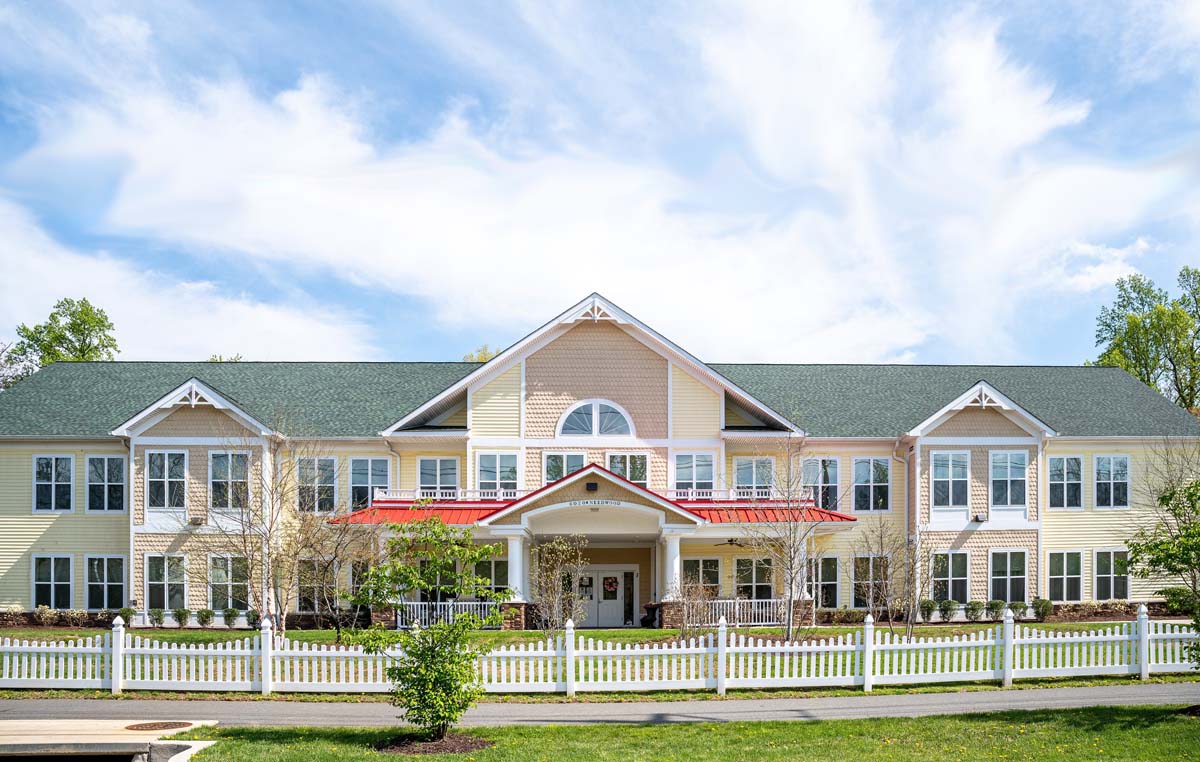
If you are an unattached senior and are “looking for love” (as the saying goes)—or just companionship, there are several things that you can do to increase your chances of finding it. You could try renewing old acquaintances and associations—perhaps a high school “sweetheart” or crush that did not pan out back then, or a former colleague, or a neighbor you once lived beside. Renewing these connections from the past may spark something new—if not romantic, then at least something in the way of companionship. You could also join a club or a hobby group, where you can meet new people who share your interests. You might consider moving to a senior-living community, where you will be surrounded by people of your own age and will thus have a better chance of meeting someone whom you can relate to on a deeper level. Finally, you might want to get on to one of those dating apps for seniors—something that is becoming increasingly popular with today’s techsavvy seniors, who are not afraid to try out the latest that technology has to offer. A Þnal word of warning, however: Be aware of the many dating scams that target lonely seniors. According to a 2024 FBI report American seniors collectively lost about $400 million to social media datingscam con artists. Just make sure not to be taken in by requests for money.
Dr. Veena Alfred Ph.D
CEO /Administrator